


Culture

Cultural Points of Interest

The main cultural attractions in the city of Imperia, including opening hours and other useful information.

How to book / request information

Each point of interest provides telephone numbers and email contacts to book visits or request further information.

BORDIGHERA - VALLECROSIA

History and identity

Bordighera is one of the most elegant and recognisable towns on the Ligurian Riviera and is a historical and cultural reference point with an international scope. Its origins date back to the Middle Ages, when a group of families from Ventimiglia founded the first urban nucleus around the Oratory of Sant’Ampelio, on the promontory overlooking the sea.

Over the centuries Bordighera maintained a strong seafaring identity, but it was especially between the 19th century and the early 20th century that the town underwent a profound transformation. Thanks to its particularly mild climate and the beauty of the landscape, Bordighera became a renowned resort for European aristocracy and bourgeoisie, attracting travellers, artists, writers, and intellectuals from across Europe.

This period left a legacy still visible today in the urban layout, historic villas, gardens, and the refined atmosphere that characterises the town. Bordighera thus stands out as a meeting point between cultures, nature, and creativity, offering an ideal context for study and research.

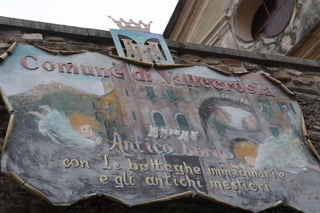
Vallecrosia is young in its administrative configuration, yet deeply rooted in the history and traditions of the area. Located between Bordighera and Ventimiglia, Vallecrosia developed from the union of settlements that grew along the coast and in the valley, forming a centre linked to agriculture, trade, and everyday life on the Riviera.

During the 20th century, Vallecrosia took on a modern and functional urban profile while maintaining a strong connection with its roots and surrounding landscape. The town is an example of balance between residential areas, services, and open spaces, offering an accessible and dynamic setting.

Points of interest

BORDIGHERA

Bordighera Alta

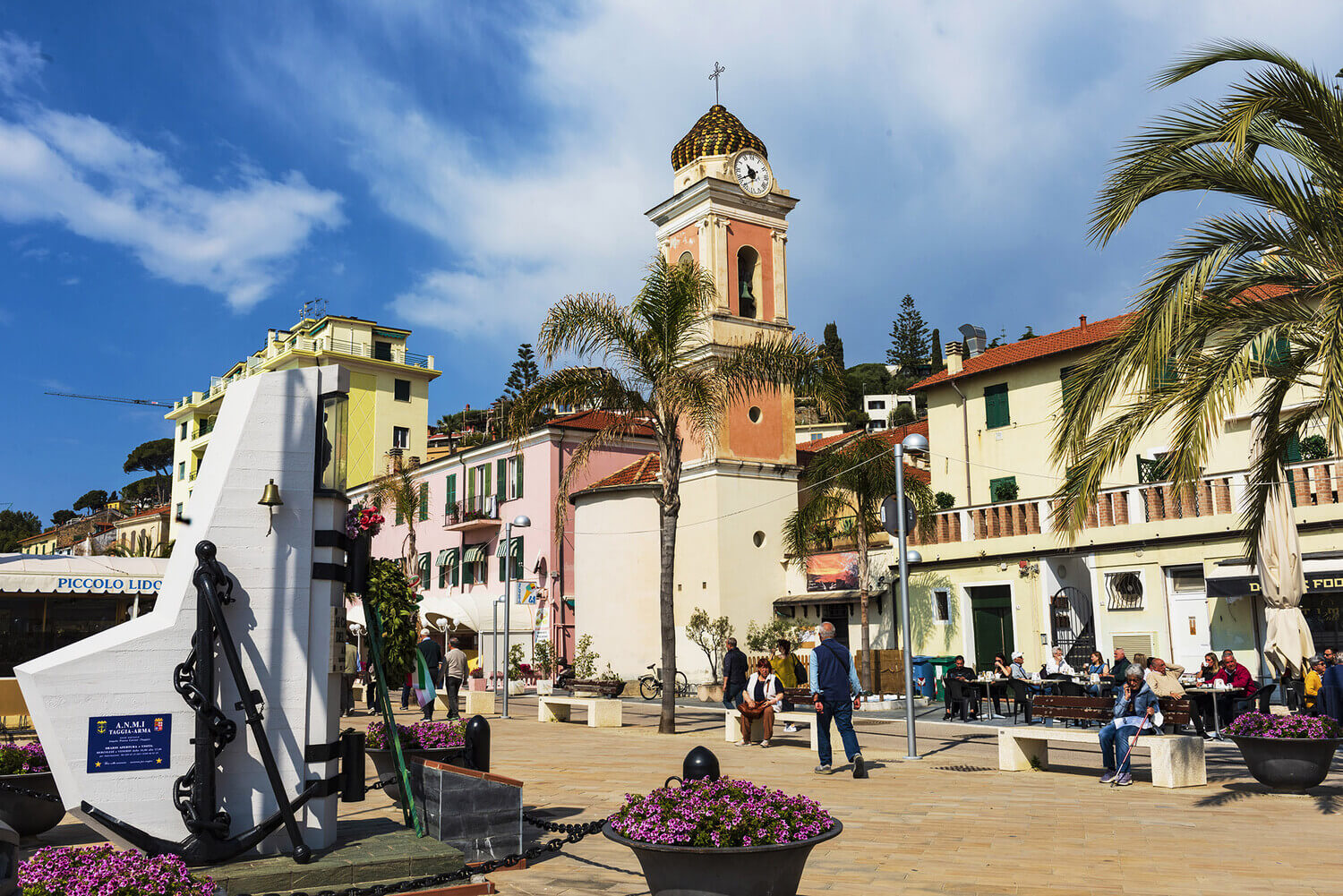
The historic heart of the town, a charming medieval district rich in atmosphere. Among narrow alleys, small squares, and panoramic viewpoints, the true Ligurian tradition can be felt. Ideal for relaxed walks, evocative photos, and evenings in typical venues. A place where history, culture, and beauty meet in harmony.

Villa Regina Margherita

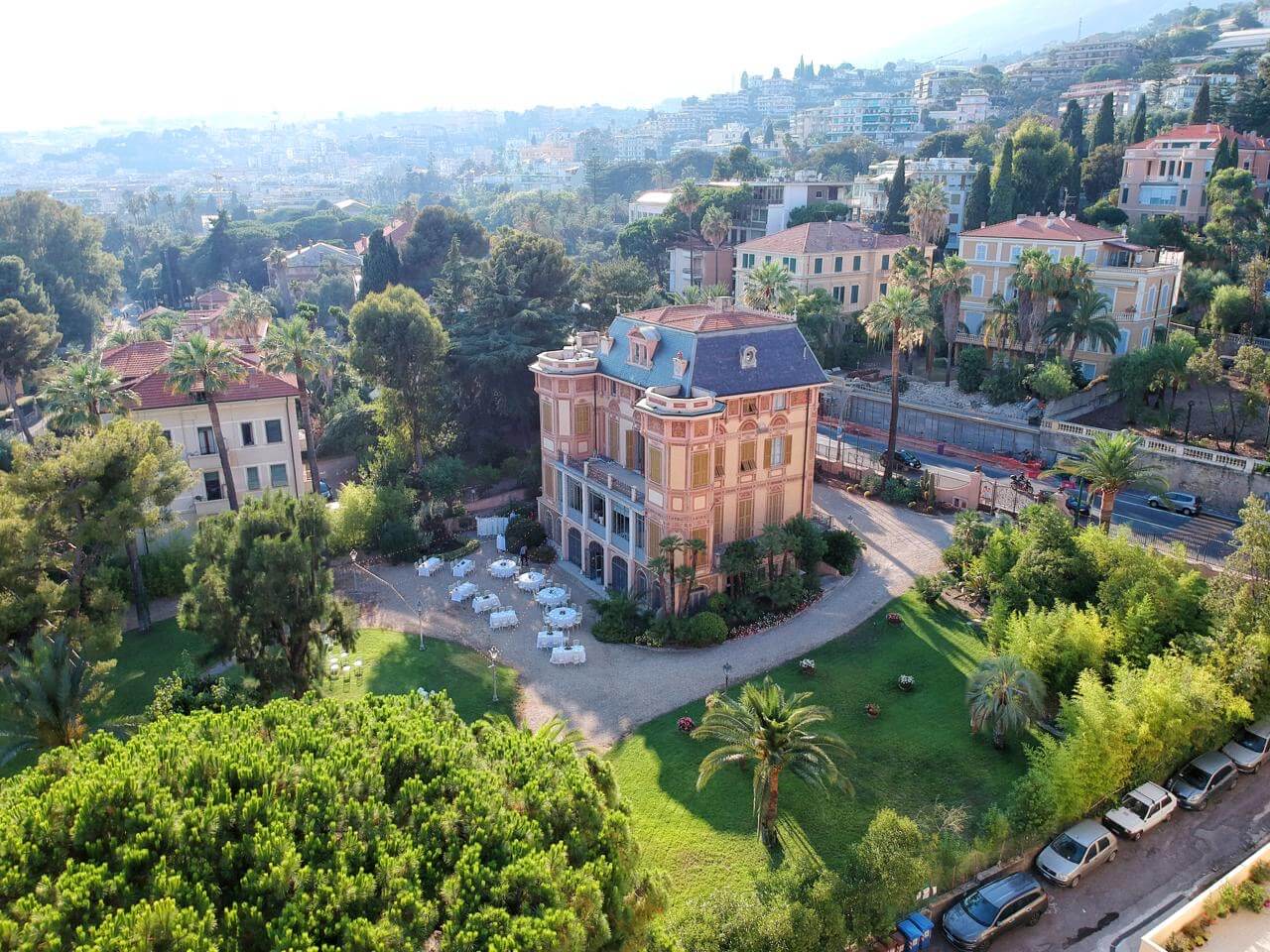
An elegant historic residence surrounded by a lush Mediterranean park. A building of great architectural value, now hosting events and cultural exhibitions. It is an important symbol of local history and an ideal stop for those who love art, culture, and places full of charm.

VALLECROSIA

Vallecrosia seafront promenade

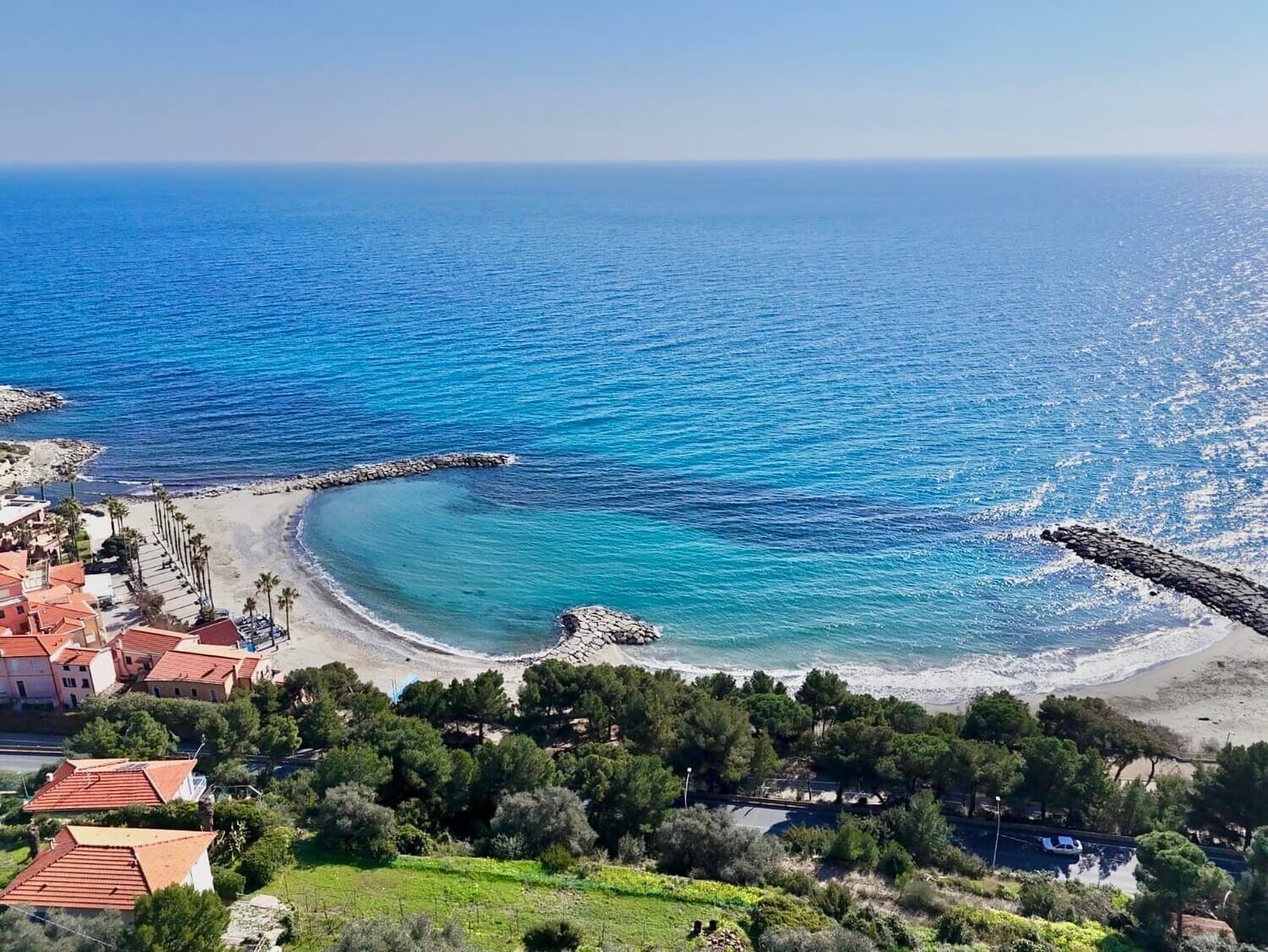
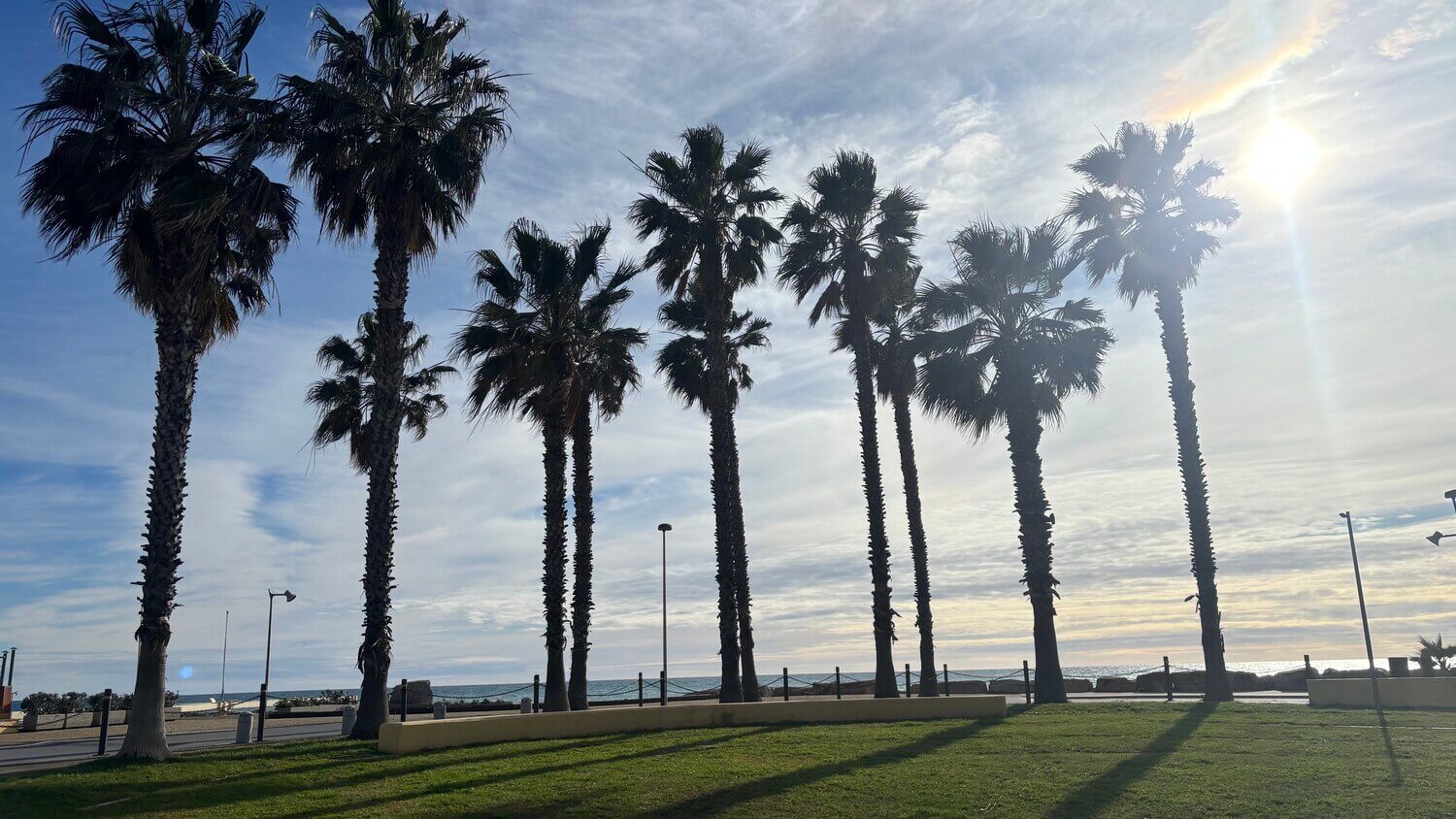
A wide, modern, and relaxing walk, ideal at any time of day. Perfect for outdoor activities such as jogging, cycling, or simple strolls. Marked by a calm and pleasant atmosphere. A perfect place to relax by the sea.

Pedestrian and cycle routes

A network of comfortable and enjoyable connections linking the sea and the inland area. Ideal for excursions, walks, and sustainable travel. Great for those who like moving outdoors. A different way to discover the area.
Gallery

CERVO - SAN BARTOLOMEO AL MARE - DIANO MARINA

History and identity

CERVO

Cervo is one of the most beautiful and fascinating villages in Liguria. Of medieval origin, it preserves its historic layout of narrow lanes, small squares, and panoramic viewpoints. Known for its cultural, artistic, and musical identity, the village is a symbol of beauty and tradition. Here time seems to slow down, offering an authentic experience between history, art, and landscape.

SAN BARTOLOMEO AL MARE

San Bartolomeo al Mare is a town that combines seafaring tradition with modern tourism development. Its roots lie in the agricultural and coastal history of Liguria, and over time it evolved into a residential and seaside centre. The town stands out for a calm, welcoming, family-friendly atmosphere, ideal for those seeking relaxation and quality of life. Today it is appreciated for sustainable tourism, liveability, and proximity to the main cultural hubs of the Riviera.

DIANO MARINA

Diano Marina is one of the main tourist destinations on the Ligurian Riviera di Ponente. Historically linked to agricultural and commercial traditions, it developed into a renowned seaside resort. The town is known for energy, services, events, and the quality of its tourist offering. A dynamic centre that combines the sea, entertainment, and a Mediterranean lifestyle.

Points of interest

CERVO

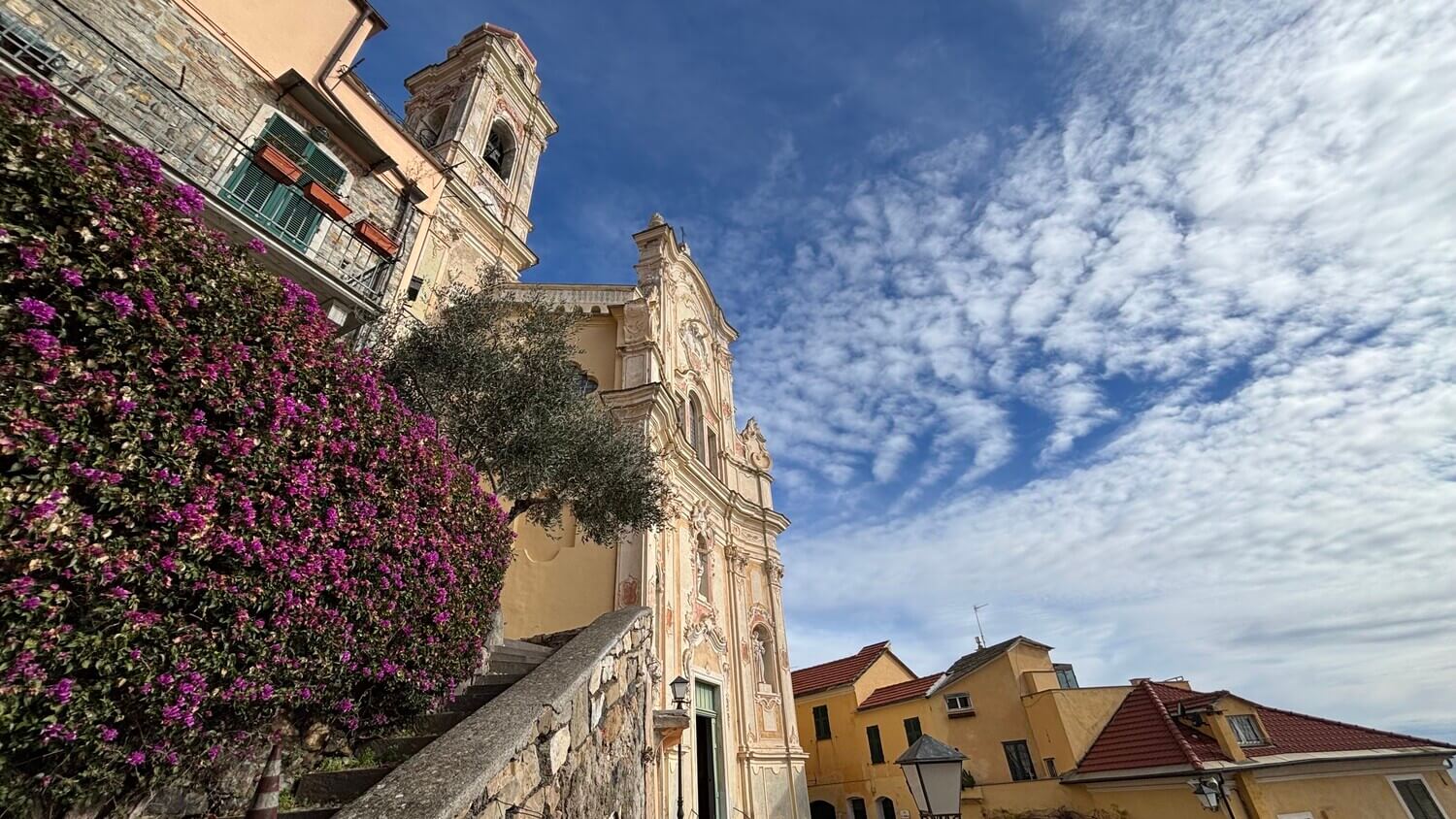
Church of the Corallini (San Giovanni Battista)

A Baroque masterpiece and iconic symbol of the village. Dominating the landscape, it offers a spectacular sea view and is one of the most evocative monuments on the Riviera. A place of great artistic and historical value.

International Chamber Music Festival

A cultural event with international relevance. It turns the village into a unique and evocative stage, combining art, music, and the charm of the area. A distinctive element of the cultural identity of Cervo.

SAN BARTOLOMEO AL MARE

Lungomare delle Nazioni

An elegant seafront promenade that represents the heart of town life. Perfect for walks, outdoor sports, and relaxing moments by the sea. Characterised by wide spaces and green areas. A reference point for residents and visitors.

Beaches of San Bartolomeo al Mare

Wide sandy stretches and gently sloping seabeds. Ideal for families, sports lovers, and those seeking relaxation. Equipped beach clubs and free areas coexist in harmony.

DIANO MARINA

City centre

A lively area full of shops, restaurants, and cafés. A meeting point for residents and visitors and ideal for shopping and entertainment, always wrapped in a dynamic and welcoming atmosphere.

Events and festivals

A rich calendar of cultural and tourist events, including ongoing entertainment for all ages throughout the year. A central element of town life. Events calendar: https://turismo.dianomarina.im.it/it/eventi

Gallery

IMPERIA - ONEGLIA

History and identity

Oneglia is one of the two historic souls of the city of Imperia and for centuries has been a meeting point for trade, the sea, and culture. With roots deeply linked to Roman times, it developed as a seafaring and commercial village during the Middle Ages, taking on a key role in Mediterranean merchant routes. Home to notable figures such as Edmondo de Amicis (1846-1908), author of the novel “Heart”, and Admiral Andrea Doria (1466-1560), commander-in-chief of the Genoese Navy during the Renaissance, the town preserves a precious heritage that is not only commercial, but also artistic and cultural. In 1923, Oneglia officially united with Porto Maurizio, giving birth to the city of Imperia. Even so, both towns have retained a strong and distinct identity, visible in their urban layout, everyday life, and their dynamic relationship with ports and trade.

Points of interest

Leonardo Lagorio Civic Library

An important cultural hub of the city, it is located inside the former courthouse building. The library still preserves a significant collection of volumes dating from the 15th to the 18th century, along with valuable local historical collections. It offers book lending and consultation services, reading rooms, and spaces for events and study, including the “Edmondo de Amicis Study and Library”.

Directions: Piazza E. De Amicis 7, Imperia. Phone: +39 0183 701608. Email: biblioim@comune.imperia.it

Borgo Peri

Once a focal point for trade and maritime activity, today it is a lively area with beaches and venues, promenades, and panoramic views over the tourist harbour. It is also a great spot to enjoy some of the most striking sunsets on the Riviera di Ponente.

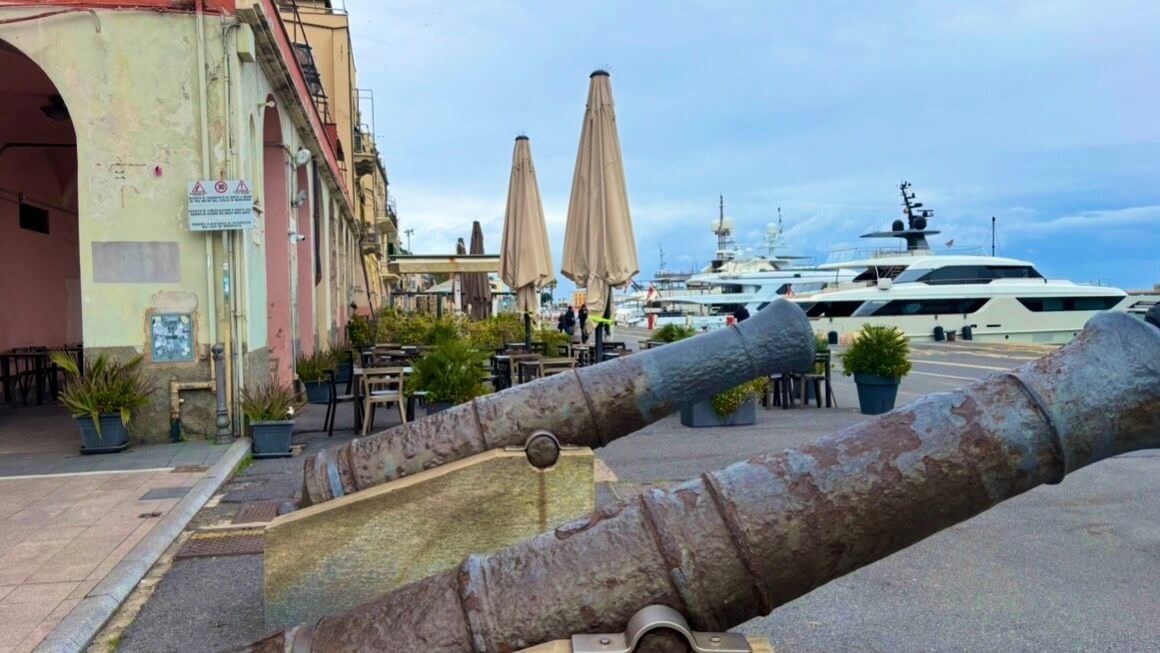
Oneglia Harbour - Calata Giovanni Battista Cuneo

The main hub of social life, especially in summer, it hosts many bars and restaurants that enliven the surrounding area, as well as the main fairs during local festivities, such as the lively and well-known San Giovanni fair in June. It is also a place of arrival and departure for boats, both tourist and private.

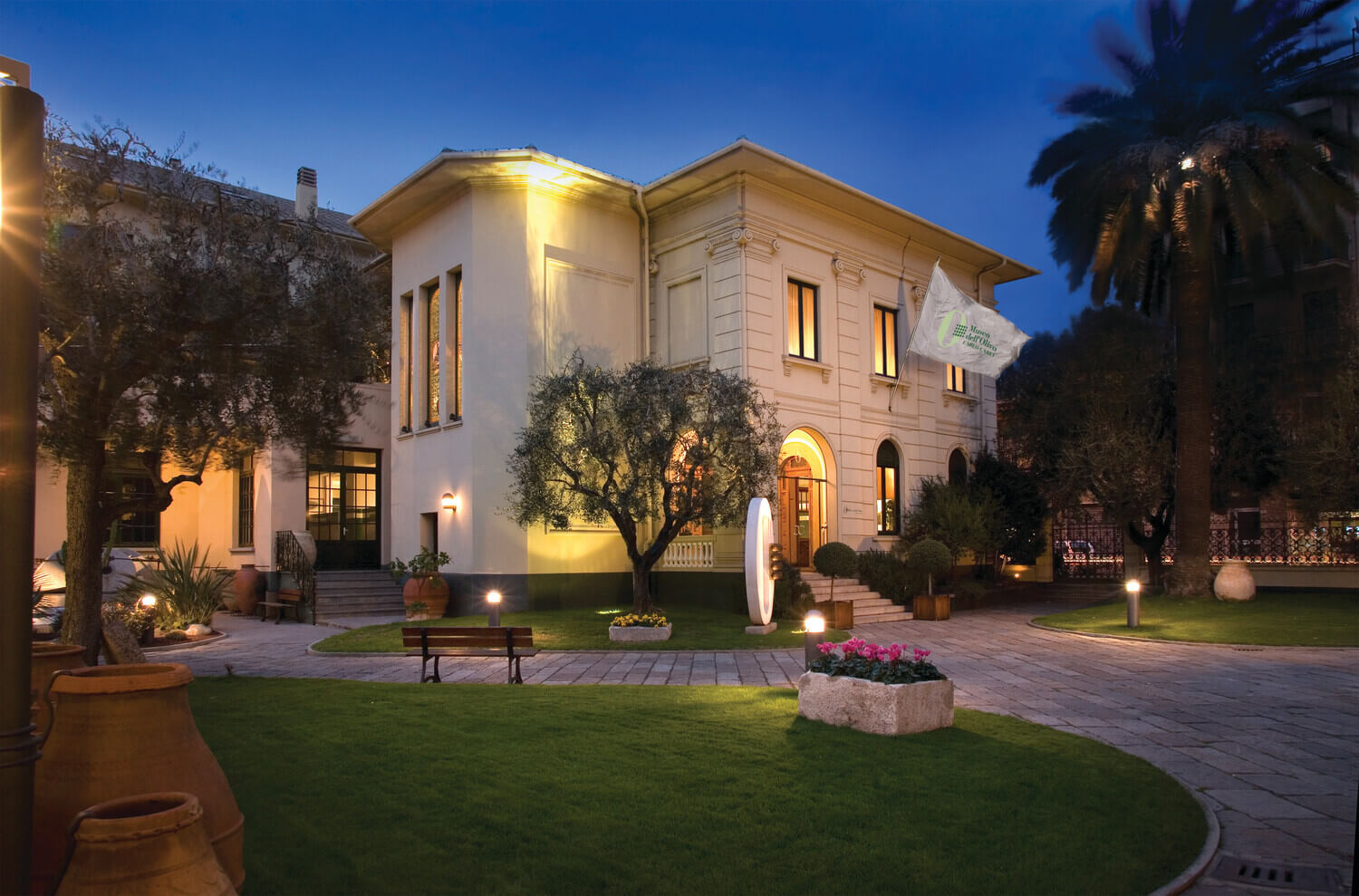
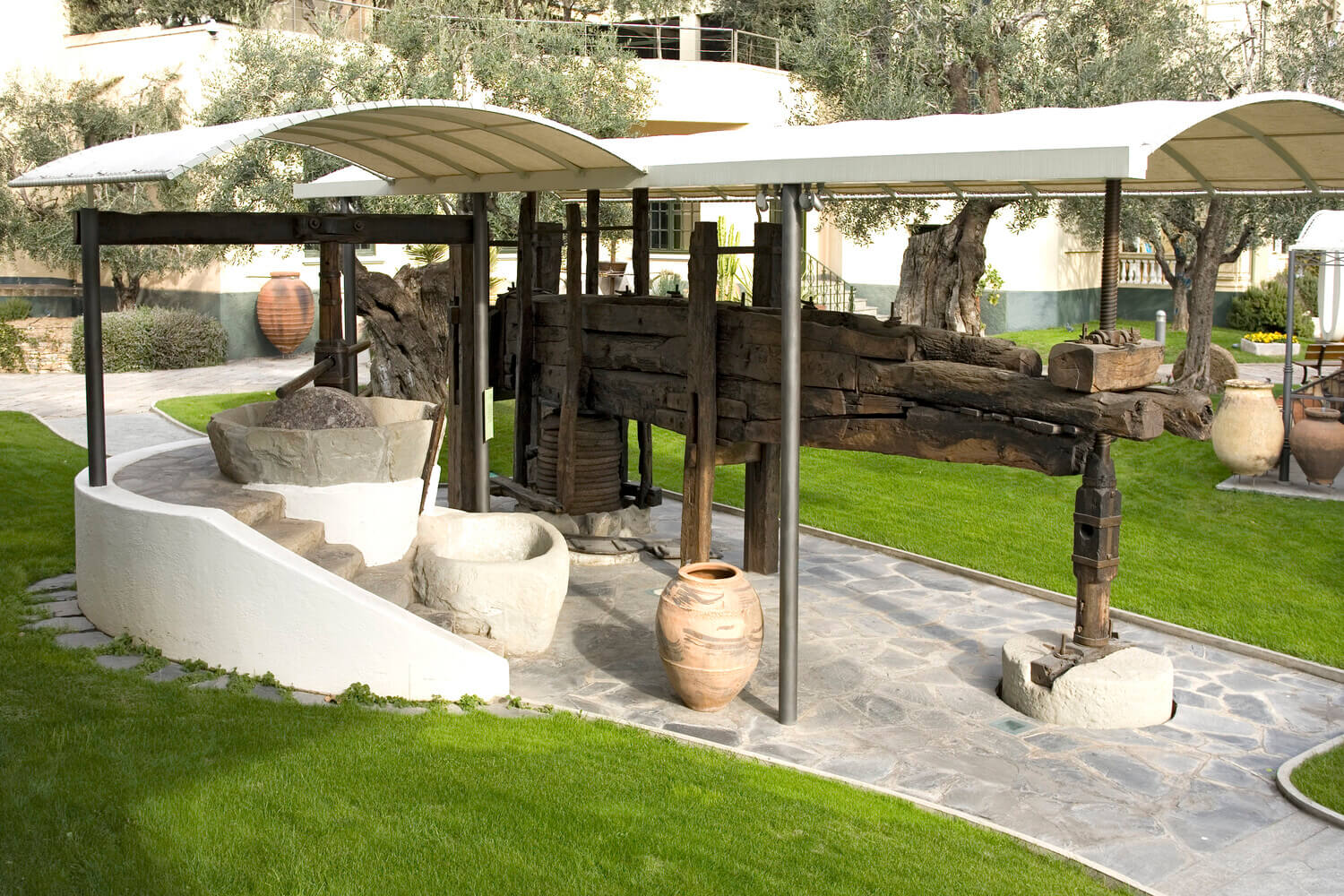
Carlo Carli Olive Museum

A cultural excellence of the area, it offers a rich and well-structured exhibition route. The museum tells the millennia-old history of Ligurian olive growing and its famous extra virgin olive oil, a symbol of the economic and cultural identity of Imperia.

Directions: Via Garessio 13, Imperia. Phone: +39 0183 295762. Website: museodellolivo.com

Gallery

IMPERIA - PORTO MAURIZIO

History and identity

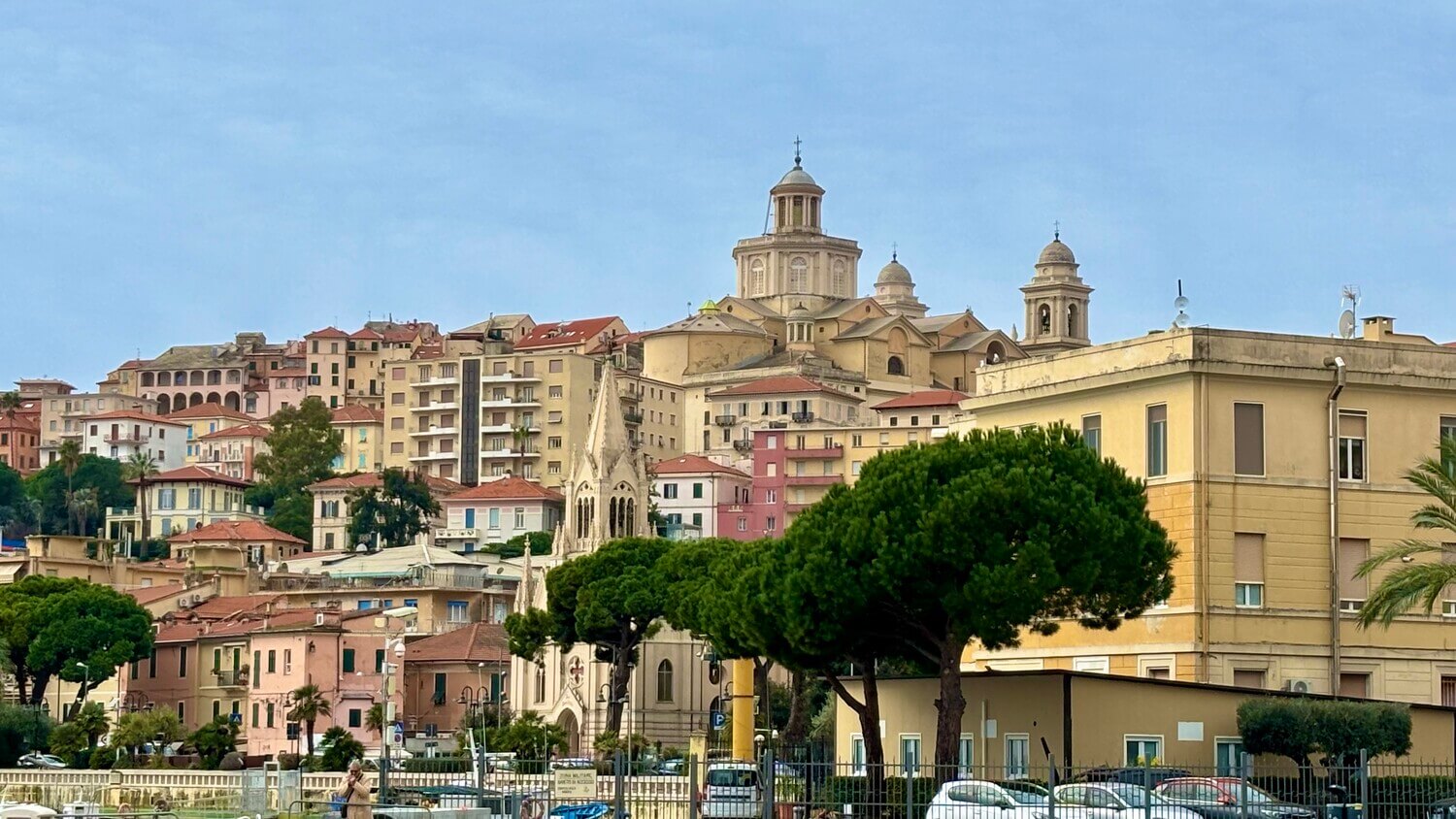
Porto Maurizio is the oldest and most atmospheric part of Imperia, marked by a strong historical character and an urban layout that retains the charm of the past. Like Oneglia, it has origins linked to Roman times, but it was during the Middle Ages that it took on a central role, developing around the Parasio promontory. For centuries Porto Maurizio was under the control of the Republic of Genoa, becoming an important defensive seafaring centre. The Genoese heritage is still evident in the architecture, the narrow lanes, the loggias, and the fortifications that shape the urban fabric. In the 19th century the town experienced major economic and cultural growth, supported by maritime trade and olive oil production. Even after unification with Oneglia, Porto Maurizio has continued to represent the historical and symbolic heart of Imperia, guardian of traditions, art, and memory.

Points of interest

The Parasio Promontory

This ancient hilltop district overlooks the sea and forms a fascinating maze of alleys, small squares, arches, and panoramic viewpoints. Walking through the Parasio means stepping into a timeless dimension, where history is still visible in every detail. The Parasio is not only a place to visit, but a place to live. Small squares such as Piazza del Duomo and Piazza Pagliari are meeting points and privileged lookout spots over the sea and the town below. From here, the view stretches along the Ligurian Riviera di Ponente, offering one of the most evocative panoramas in the region.

Basilica of San Maurizio

One of the largest churches in Liguria, it is a masterpiece of neoclassical architecture. Located at the top of the promontory, it offers major artistic and religious value as well as a spectacular sea view. The building stands out for its monumental scale: the solemn façade, generous dimensions, and dominant position on the Parasio promontory make it a visual and symbolic landmark for the whole city. The interior, arranged in three naves, conveys harmony and brightness, with sober yet elegant decorations, majestic columns, and side chapels of great artistic interest.

Naval Museum of the Ligurian Ponente

This important cultural centre tells the deep maritime vocation of Porto Maurizio through boat models, navigation instruments, and historical evidence connected to life at sea. The exhibition route guides visitors through a rich collection of ship models, nautical charts, navigation tools, historical artefacts, and testimonies linked to ancient seafaring activities. Each section helps reconstruct the evolution of navigation in the Ligurian Ponente, from traditional vessels to the commercial routes that connected the Ligurian coast with major Mediterranean ports.

Address: Via Calata Anselmi, Imperia. Phone: +39 0183 651363

Gallery

OSPEDALETTI - RIVA LIGURE

History and identity

Ospedaletti is a refined destination on the Ligurian Riviera di Ponente, known for its mild climate and quality of life. Historically an elegant holiday resort, it retains a tourist vocation focused on relaxation and wellbeing. Its development is linked to seaside traditions and the enhancement of the coastal landscape. Today Ospedaletti is an ideal destination for those seeking tranquillity, sea, and comfort.

Riva Ligure is a characteristic seafaring village that preserves the authenticity of Ligurian tradition. Its origins are deeply connected to coastal life, fishing, and Mediterranean culture. The town stands out for a welcoming, relaxed, and genuine atmosphere. It is an ideal destination for those who want the sea, tranquillity, and a slower pace of life.

Points of interest

OSPEDALETTI

Seafront walk "Ciclabile Riviera dei Fiori"

Ospedaletti includes one of the most panoramic sections of the renowned Ligurian coastal cycle and pedestrian route. Here the promenade runs between sea and flowers, with incredible views over the bay and resting spots perfect for enjoying the landscape or having a granita in the sun. A route that invites slowness and beauty, ideal for enjoying Mediterranean dolce vita.

Villa La Sultana

One of the most elegant residences on the Riviera, built at the end of the 19th century in Moorish style. Villa La Sultana is a symbol of elegance and history: in the past it was a prestigious casino frequented by nobility and artists, and today it remains a testimony of the golden age of Ospedaletti as a refined and cosmopolitan tourist destination.

RIVA LIGURE

Riva Ligure seafront promenade

A long walk overlooking the sea, ideal for relaxing with the sound of waves and the scent of salt air. The Riva Ligure seafront links the old village with the more modern beaches, offering enchanting views, cycle paths, and viewpoints from which to admire spectacular sunsets. Perfect for those who love walking, cycling, or simply enjoying the calm atmosphere of an authentic Ligurian village.

Historic centre

A maze of narrow alleys, stone arches, and pastel-coloured houses that tell centuries of maritime history. Walking through the historic centre, it is possible to discover small artisan shops, ancient churches, and picturesque views overlooking the sea. The atmosphere is that of a place where time seems to have stopped, keeping alive the tradition and authenticity of the Riviera di Ponente.

Gallery

SANREMO

History and identity

Sanremo is one of the most iconic cities of the Riviera dei Fiori and for over a century has been an international reference point for culture, tourism, and climate. Its origins date back to Roman times, when the area was crossed by important coastal routes, but it was in the Middle Ages that Sanremo took on a more defined urban form.

The first urban core developed around the Pigna hill, an ancient fortified district created to defend against pirate raids. Over the centuries, the city was influenced by the Republic of Genoa, which strongly shaped its urban layout, architecture, and economic life.

Between the 18th and 19th centuries, Sanremo underwent a decisive transformation: thanks to its mild climate and beautiful landscape, it became a renowned resort for European aristocracy and the upper bourgeoisie. Nobles, artists, and intellectuals from across Europe chose Sanremo for holidays, contributing to the development of villas, gardens, historic hotels, and cultural infrastructure.

In the 20th century, Sanremo consolidated its international reputation, becoming a symbol of elegance, culture, and entertainment. Even today the city preserves this dual character: on one side a historic centre rich in memory and tradition, on the other a modern, dynamic city open to the world.

Points of interest

Ariston Theatre

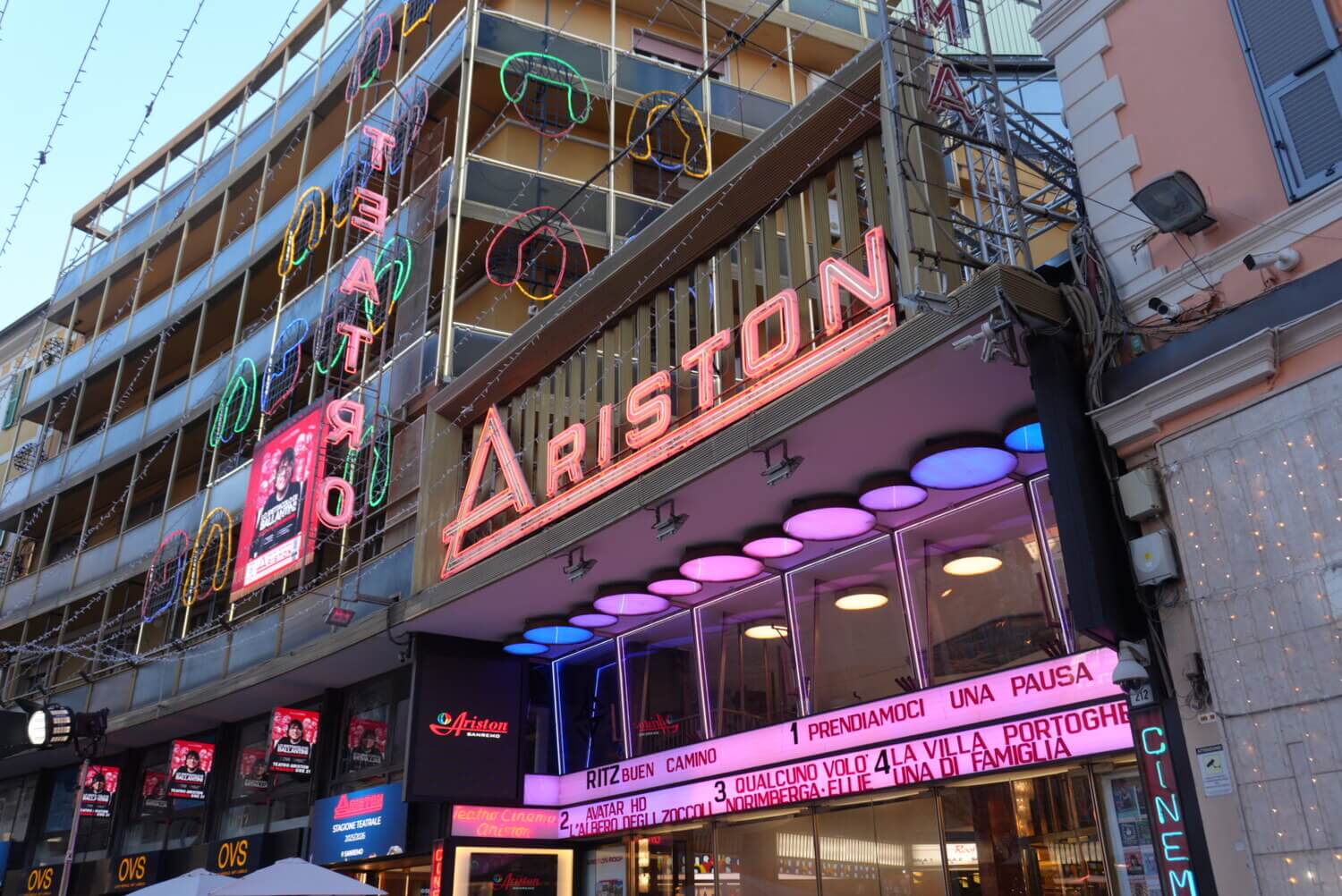
The Ariston Theatre is one of the most famous symbols of Sanremo and is known worldwide as the venue of the Italian Song Festival. Opened in 1963, it became a landmark for Italian music culture and live entertainment.

Beyond the Festival, the Ariston hosts concerts, film programmes, and cultural events throughout the year, helping keep Sanremo vibrant and creative. The Ariston represents the link between tradition and modernity, between local history and national culture.

Sanremo Casino

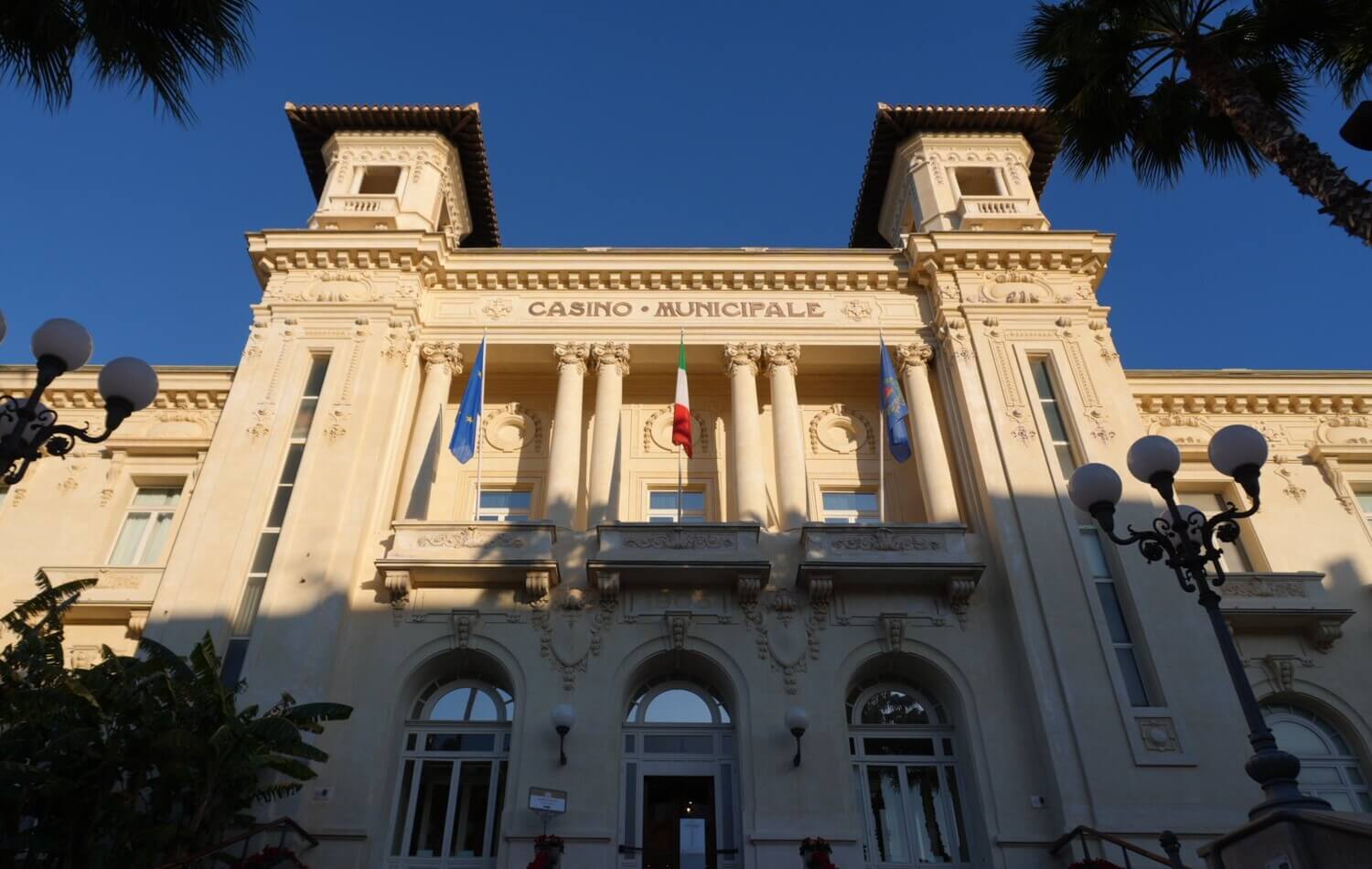
The Sanremo Casino, inaugurated in 1905, is one of the most elegant and representative buildings in the city. Designed in Art Nouveau style, it reflects the golden age of Sanremo as a destination for the European elite.

Beyond gaming, the Casino is also an important cultural space, hosting events, exhibitions, concerts, and meetings. Its presence significantly supported the economic and tourist development of the city, strengthening its international image.

Villa Nobel

Villa Nobel is one of the most important cultural sites in Sanremo. It was the residence of Alfred Nobel, inventor of dynamite and founder of the Nobel Prizes, who spent the last years of his life here.

Today the villa is a museum that tells the story of Nobel, his inventions, and his ideas, and it also hosts cultural and scientific events. Set within a lush park, Villa Nobel is a meeting point between science, history, and nature.

Gallery

TAGGIA - SANTO STEFANO AL MARE - SAN LORENZO AL MARE

History and identity

Taggia, Santo Stefano al Mare, and San Lorenzo al Mare form a harmonious and complementary territorial system.

Taggia

Taggia is one of the most important and authentic historic centres of the Ligurian Ponente. For a student, living in or spending time in Taggia means connecting with a deep historical dimension where the past is still part of everyday life. The origins of Taggia date back to Roman times, but it was in the Middle Ages that the town gained a central role, especially as an agricultural and commercial hub. The historic centre, one of the best preserved in Liguria, develops along the Argentina River and features medieval bridges, historic palaces, churches, and narrow lanes that tell centuries of community life.

Santo Stefano al Mare

Santo Stefano al Mare is a small coastal town that perfectly embodies the idea of quality of life applied to a study experience. Directly facing the sea and crossed by the Ligurian Ponente cycle path, it offers a healthy, dynamic, and sustainable lifestyle. The town preserves a strong seafaring identity, visible in the tourist marina, fishing traditions, and compact urban structure. The seafront and beaches are easily accessible and become natural spaces for meeting, relaxing, and informal study. The cycle path links these three towns, encouraging sustainable mobility.

San Lorenzo al Mare

San Lorenzo al Mare is one of the places that best represents the meeting of nature, sea, and sustainability. Small, welcoming, and immersed in the coastal landscape, it offers an ideal setting for a balanced lifestyle that is highly appreciated by students. The town overlooks one of the most scenic stretches of the Ligurian coast and is also crossed by the Ponente cycle path, which here plays a central role in daily life. For the campus, San Lorenzo becomes a place where study can extend outdoors: seaside walks, reading moments on the beach, sports, and recreational activities.

Points of interest

TAGGIA

Old Bridge over the Argentina River

A symbol of the town, the medieval bridge is an important identity marker and an evocative link between past and present. It is one of the most recognisable and photographed places in the area.

Convent of San Domenico

A monumental complex of great historical and artistic value, now a cultural hub and venue for exhibitions, events, and initiatives. For the campus, it is a key space for culture, art, and interdisciplinary learning.

SANTO STEFANO

Ponente Ligure Coastal Cycle Path

A key element of a distributed campus lifestyle: it connects Santo Stefano with Taggia, Sanremo, and San Lorenzo al Mare, promoting sustainable mobility and an active way of life.

Tourist marina

The heart of the social life of the town, a place for meeting and gathering. It represents the link between seafaring tradition and contemporary life.

SAN LORENZO

Seafront promenade and beaches

Quiet and well-kept environments, ideal for outdoor activities, study, reading, and relaxation. The direct relationship with the sea supports a balanced lifestyle.

Natural areas and coastal landscape

San Lorenzo offers direct contact with the natural environment, enhancing themes of sustainability and wellbeing, which are increasingly central in contemporary educational paths.

Gallery

VENTIMIGLIA

History and identity

The history of Ventimiglia has roots in Roman times, when the city was known as Albintimilium, an important centre along the Via Julia Augusta. This historical heritage is still visible today and is a cultural resource of great value for students and researchers.

The medieval historic centre, perched on the hill and dominated by the Cathedral of Santa Maria Assunta, preserves a compact and evocative urban layout made of alleys, squares, and panoramic viewpoints. Its border position has always shaped the identity of the city, making it a place of passage, exchange, and encounter. This cross-border dimension is an added value for those who choose Ventimiglia as a place to study, especially in a European and international perspective.

Points of interest

Hanbury Botanical Gardens

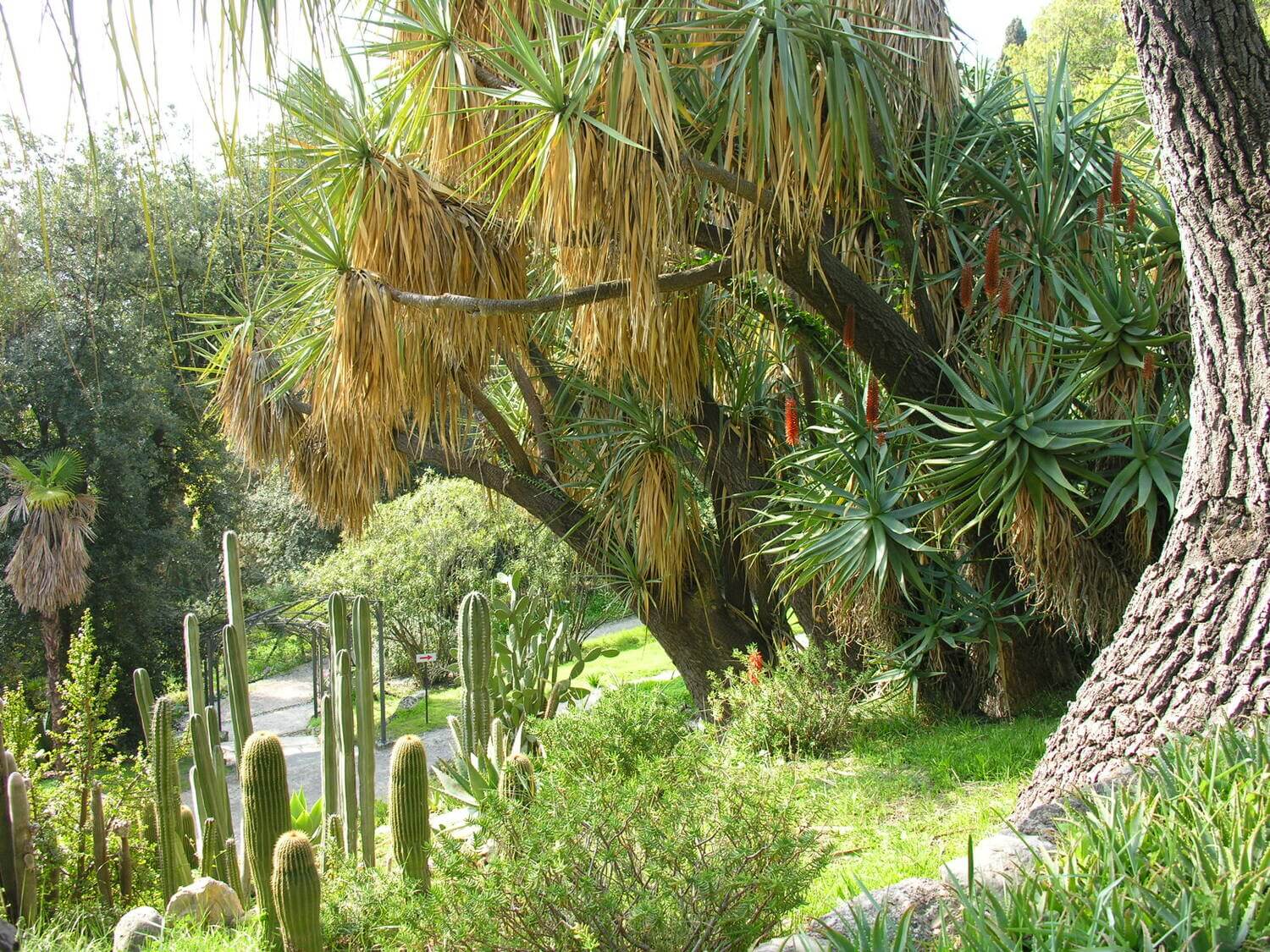
Located just outside the city centre, these gardens are one of the key naturalistic and scientific excellences of the area. Overlooking the sea and featuring an extraordinary variety of plant species from all over the world, they offer an ideal environment for study, research, and wellbeing.

Balzi Rossi Prehistoric Museum

The Balzi Rossi Prehistoric Museum is one of the most important archaeological gems in Liguria and one of the most significant prehistoric sites in Europe. Located in the hamlet of Grimaldi, at the foot of an imposing Jurassic dolomitic limestone cliff, this place offers students and visitors an extraordinary journey into antiquity, reaching back to more than 200,000 years ago.

Address: Via Balzi Rossi 9, 18039 Ventimiglia (IM), Italy. Phone: +39 0184 38113

Ventimiglia Roman Theatre

The Roman Theatre of Ventimiglia is one of the most important archaeological complexes in Liguria and a cultural landmark of great value for campus life. Included in the archaeological area of Albintimilium, it shows the central role the city had in Roman times as a strategic node along the Via Julia Augusta.

Built between the 1st and 2nd century AD, the theatre could host thousands of spectators and was used for plays, public events, and collective gatherings. Its structure, still clearly readable today, reflects the social and cultural organisation of the Roman world, where performance was an integral part of civic life.

Gallery

ACCETTO
NEGO
Ai sensi del regolamento (UE) n.2016/679 (GDPR), ti informiamo che per offrirti un'esperienza di navigazione sempre migliore questo sito utilizza cookie propri e anche cookie di partner selezionati.
Se vuoi saperne di più ti invitiamo a leggere la nostra informativa sulla privacy e anche la nostra cookie policy. Troverai anche le istruzioni per modificare i tuoi consensi.
PRIVACY POLICY COOKIE POLICY
NOTE PER LA PRIVACY : nel momento in cui manderete dati personali attraverso i contatti e/o moduli di contatto su questo sito, questi dati verranno trattati come descritto nella Privacy Policy.
NOTE PER I COOKIE : Non è possibile disabilitare i cookie tecnici ma soltanto cookie di profilazione.
Premendo ACCETTO vengono abilitati tutti i cookie.
Premendo NEGO i cookie di profilazione vengono bloccati. Ti informiamo che negando i cookie di profilazione alcune parti importanti del sito potrebbero non funzionare. Premendo sul pulsante NEGO i cookie di profilazione precedentemente installati su questo dominio verranno cancellati, mentre per l'eliminazione dei cookie di profilazione salvati su domini esterni occorre richiedere la revoca ai titolari di tali domini mediante gli appositi link inseriti nella cookie policy.